
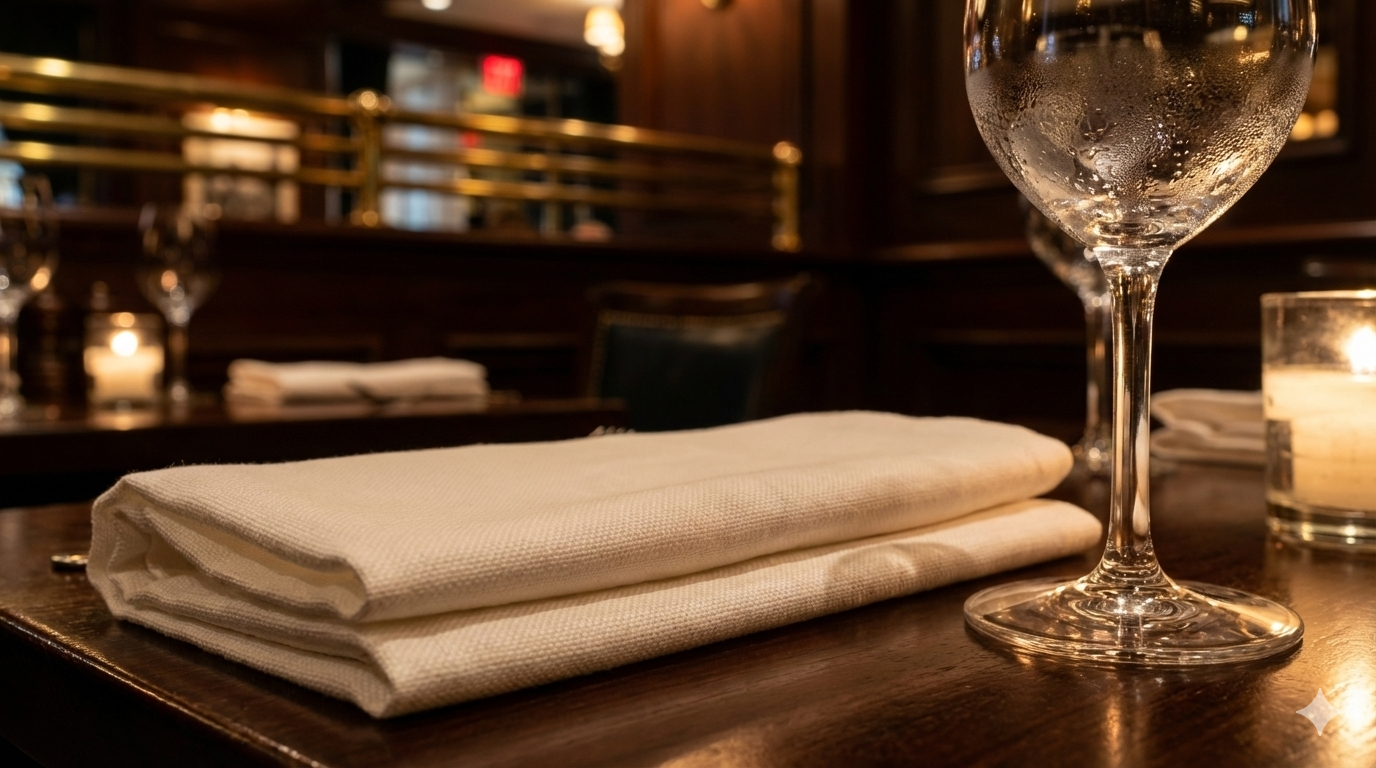
In the high-pressure environment of New York City and Connecticut hospitality, the humble towel is often the unsung hero of the operation. It is the tool that keeps stations sanitary, plates polished, and chefs protected from burns. Yet, despite their importance, towels are frequently the most mismanaged inventory item in a restaurant or hotel.
For General Managers and owners, towel inventory is a constant balancing act. Buy too few, and your staff hoards them, leading to hygiene lapses. Buy low-quality options, and you spend more labor hours scrubbing surfaces that won’t get clean. In a market where operational efficiency defines profit margins, understanding how to manage your textile supply chain is critical.
To understand how towel management fits into your broader linen strategy, we recommend reading our pillar resource: The Complete Guide to Restaurant Linen Service in NYC & Connecticut.
Material Matters: Not All Towels Are Created Equal
The first step in effective inventory management is recognizing that a towel is not a universal tool. Using the wrong fabric for a specific task wastes time and degrades the customer experience.
For example, a standard terry cloth towel is excellent for absorption but terrible for polishing wine glasses, as it leaves lint behind. Conversely, a microfiber cloth is perfect for glass and mirrors but dangerous if used by a line cook to grab a hot pan, as synthetic fibers can melt under extreme heat.
Reach out now and one of our representatives will get back to you shortly.
Segmenting Towels by Function
Effective management requires organizing your towel inventory by specific use cases rather than treating all towels as interchangeable.
Bar Mops
The workhorse of the establishment. These must be 100% cotton, highly absorbent, and durable enough to handle aggressive wiping of spills.
Microfiber & Glass Towels
Essential for Front of House (FOH) operations. These low-lint options ensure that expensive stemware and cutlery sparkle under the dining room lights.
Chef Towels
Designed for Back of House (BOH) use. Often heavier and woven differently to provide thermal protection and strong cleaning power on the line.
Inventory Control: Preventing Cross-Contamination and Loss
One of the biggest challenges in hospitality is towel migration. This occurs when a towel designated for sanitizing a bathroom ends up wiping down a dining table, or when a grease-soaked kitchen towel is used to polish a bar top. This represents a serious health code violation and a liability risk.
Implementing a structured restaurant towel service helps mitigate these risks through clear inventory controls.
The Power of Color-Coding
Assigning specific towel colors to defined zones creates a visual control system that managers can audit at a glance.
-
Blue: Glass and general surface cleaning (FOH)
-
White: Kitchen prep and food-contact surfaces (BOH)
-
Green: Janitorial and bathroom maintenance
This system prevents cross-contamination and ensures staff always use the correct towel for the hygiene requirements of each station.
For a quicker response, don’t hesitate to give us a call today or Send us a message.
Rent vs. Buy: The Operational Dilemma
Many restaurant owners attempt to purchase their own towels to avoid a recurring monthly expense. While this may appear cost-effective initially, it often creates operational challenges.
The Grease and Safety Factor
Restaurant towels accumulate grease, oil, and proteins that standard washing machines are not designed to remove effectively.
-
Fire Hazard: Towels that retain grease residues can spontaneously combust in dryers, a documented cause of restaurant fires.
-
Sanitization Risk: Without industrial water temperatures of 160°F or higher, bacteria can survive the wash cycle, leading to sour-smelling towels that spread germs.
The Cost of Replacement
When towels are purchased, the restaurant absorbs the cost of every stain, tear, and missing item. In high-volume kitchens, replacement rates are high.
By using a professional commercial towel service like My Linen Service, costs shift from capital expenditure to operational expenditure. The provider handles replacement, heavy-duty laundering, and consistent towel availability.
Connect with us today and let’s discuss how we can help.
Why Local Service Matters
In the Tri-State area, reliable logistics are critical. A missed delivery on a Friday afternoon can disrupt an entire weekend of service.
Responsive Inventory Adjustments
Local providers can quickly adjust inventory levels in response to unexpected reservation spikes or private events.
Consistent Quality Control
Towels are inspected regularly to ensure quality standards. Restaurants avoid receiving worn or stained towels common in large national pools.
Reliable Delivery
Local route expertise in New York City and Connecticut ensures dependable delivery schedules aligned with the urgency of hospitality operations.
Click here to get in touch with our team for further assistance.