Opening a new dining establishment in the competitive landscapes of New York City or Connecticut is a masterclass in logistics. You are juggling permits, staffing, menu development, and interior design.
Amidst the chaos of kitchen equipment installation and sommelier tastings, there is one crucial element that often gets relegated to the bottom of the list: your textile strategy.
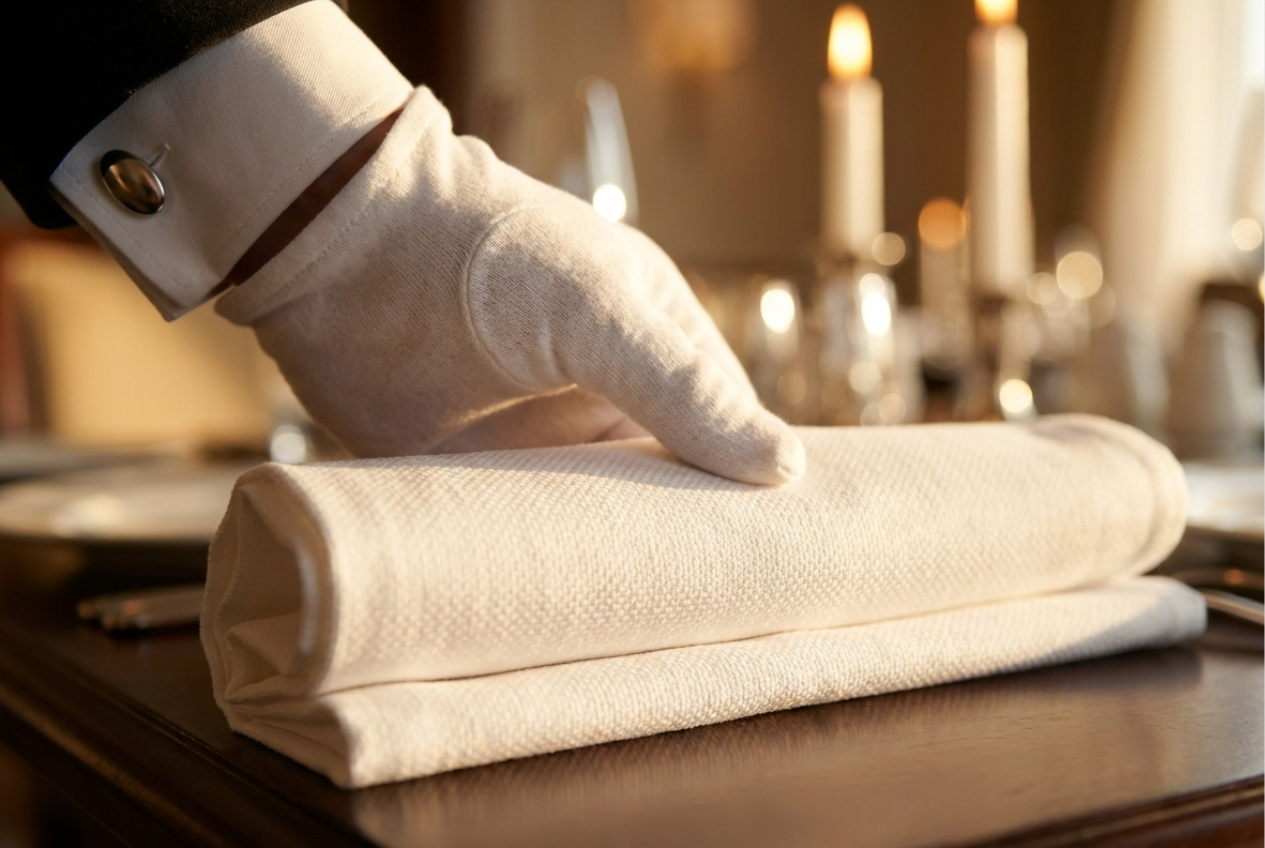
However, for the guest, the linen is often the very first tactile interaction they have with your brand. Before they taste the amuse-bouche or sip the wine, they touch the napkin. They rest their arms on the tablecloth.
In high-stakes markets like Greenwich, Stamford, or Manhattan, these details are not just operational necessities; they are brand statements. A flimsy napkin says “fast food,” while a substantial, crisp textile signals “fine dining.”
To ensure your front-of-house exudes the same quality as your back-of-house, you need a strategic approach to your linen inventory.
Material Matters: The Tactile Definition of Luxury
When sourcing textiles, many new restaurateurs make the mistake of looking at color first and fabric composition second. This is an operational error. The material of your linen dictates the guest experience and the longevity of the product.
In the past, the industry was flooded with 100% polyester options. While durable, standard polyester often feels slippery, non-absorbent, and cheap against the skin. It does not belong in a premium dining room.
To elevate your guest experience, you must prioritize restaurant quality table linens that offer superior hand-feel and absorption.
The Top Contenders:
-
Cotton: The gold standard for luxury. It offers a natural, soft feel and excellent absorption. However, it requires precise starching and pressing to look crisp.
-
Spun Polyester: The modern solution for high-volume, high-end dining. It mimics the look and feel of cotton but offers better color retention and durability against industrial laundering.
When a guest places a napkin on their lap, it should stay there. High-quality textiles have the weight and texture to remain in place, adding to the customer’s perception of value and comfort.
Reach out now and one of our representatives will get back to you shortly.
Selecting the Right Style & Size
Once you have determined the material, you must address the visual geometry of the table. The drape, fit, and color of your linens set the psychological stage for the meal.
Are you aiming for a classic French bistro vibe? A white tablecloth with a short drop is appropriate. Are you designing a white-glove, fine-dining destination? You need floor-length linens that pool slightly or kiss the floor perfectly.
Selecting the correct restaurant table linen involves precise measurements. A tablecloth that is too small looks like an afterthought; one that is too large creates a tripping hazard for your service staff.
Key Sizing Considerations:
-
The Drop: This is the amount of fabric that hangs off the edge of the table. A standard dining drop is 8-10 inches (lap height). A formal dining drop is 15-29 inches (floor length).
-
The Overlay: To add depth and reduce laundry costs on the main cloth, many venues use a contrasting overlay or runner.
-
The Napkin: Standard dinner napkins should be at least 20×20 inches. Anything smaller is considered a lunch or cocktail napkin and will feel insubstantial during a three-course dinner.
The Essential Opening Checklist
To ensure you are fully operational on day one, your linen inventory needs to extend beyond just the dining room tables. Use this checklist to verify your par levels:
-
Napkins: Calculate for 3x your seating capacity to handle turnover and laundry cycles.
-
Tablecloths: Ensure you have the correct shapes (rounds, squares, banquet rectangles).
-
Bar Towels: You need distinct towels for bar polishing vs. cleaning spills.
-
Kitchen Towels: High-absorbency towels for the line cooks and prep stations.
-
Aprons: Bib aprons for back-of-house; waist or bistro aprons for front-of-house.
-
Floor Mats: Essential for safety in the kitchen and cleanliness at the entryway.
-
Restroom Textiles: High-end hand towels for a truly elevated experience.
For a quicker response, don’t hesitate to give us a call today or Send us a message.
Rent vs. Buy: The Operational Dilemma
Perhaps the most significant financial decision a General Manager makes regarding textiles is whether to own the inventory or partner with a rental service.
On paper, buying your own linens might seem like a way to control assets. In reality, it is often a logistical nightmare and a financial sinkhole.
The Hidden Costs of Ownership:
-
Capital Expenditure: High-quality commercial linens are expensive to purchase upfront.
-
Laundry Labor: Washing, drying, and ironing table linens requires industrial equipment and significant staff hours.
-
Space: Most NYC and CT restaurant kitchens do not have the square footage for on-premise laundry (OPL).
-
Replacement: Linens get stained with wine, grease, and lipstick. When you own them, every stained cloth is a direct loss.
This is why the majority of successful restaurants opt for luxury table linen rentals.
Renting transforms a variable, headache-inducing capital expense into a predictable, manageable operating cost. It gives you access to higher thread counts and premium fabrics that might be cost-prohibitive to buy outright.
Furthermore, rental services handle the quality control. If a tablecloth is stained or torn, it is removed from rotation and replaced by the provider, ensuring your dining room always looks pristine without you having to manage the degradation of inventory.
Connect with us today and let’s discuss how we can help.
Why Local Service Matters
In the hospitality industry, Friday nights are unpredictable. A sudden influx of reservations or a spilled tray of red wine can decimate your linen supply in an hour.
This is where the distinction between a national conglomerate and a local partner becomes painless or painful.
Stamford Linen specializes in serving the Tri-State area. We understand the traffic patterns of I-95 and the urgency of a dinner service in Manhattan or Fairfield County.
When you search for “linen service for restaurants near me,” you aren’t just looking for a vendor; you are looking for a lifeline.
National chains often operate on rigid delivery windows with call centers located halfway across the country. A local partner offers personalized inventory management, faster turnaround times for emergencies, and a driver who actually knows your Maitre D’ by name.
Click here to get in touch with our team for further assistance.